
Mahjong Tiles: Double Match Puzzle
Opens in a play window — no download required.
Reviews
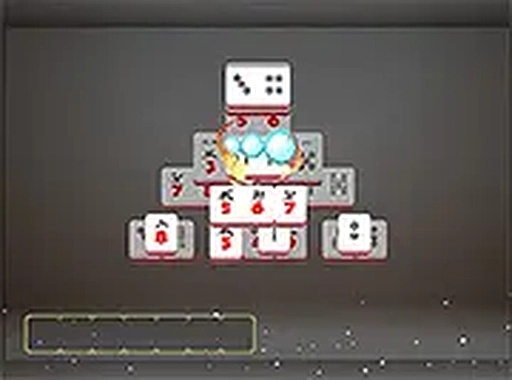
Mahjong Tiles: Double Match Puzzle reworks familiar tile-matching rules by adding a limited rack and allowing consecutive sequences. That constraint creates real decisions: which tiles to take, when to hold, and how to keep the rack from filling. The calm pace and colorful design suit casual players, while the rack limit offers enough challenge for puzzle fans. It runs in a browser on mobile and desktop, so access is easy. The main limitation is that the input does not describe extra modes or difficulty settings, so replay value depends on the core loop.
Description
Rack-Based Matching, Not Just Pairs
Traditional mahjong solitaire asks you to match open pairs. This game changes the rule: you collect tiles that are either identical or form a consecutive number sequence. Those tiles go to a rack at the bottom of the screen. When three or four matching or consecutive tiles sit on the rack, they disappear. That single shift turns every selection into a small planning problem, because the rack holds only so many tiles.
Reading the Board and the Rack
Your goal is to clear the board by forming groups on the rack. Click or tap a tile to send it down. The rack has limited slots, so grabbing tiles without a plan fills it fast. If the rack fills and no group forms, the game ends. You win by removing every tile. The tension comes from balancing what you need now against what you might need later.
Controls and Accessibility
Play with a mouse on desktop or touch on mobile. The game runs directly in a browser with no download. Full-screen mode is available for a larger view. Colorful tile designs and a calm pace make it approachable for all ages, but the rack limit keeps it from being mindless.
Strategy That Emerges from Constraints
Because the rack is small, you cannot hoard tiles. Prioritize moves that open the board and reveal hidden tiles. Group similar tiles on the rack when possible. If you get stuck, clear from the top layers first to expose new options. Practice helps you spot sequences and matches faster, but the core challenge is deciding which tiles to take and when.
Compatibility
FAQ
Comments
Sign in to leave a note
You must be logged in before posting a review or rating.
No comments yet. Be the first to comment!






Editorial Notes