
Trail Blazer 4x4 Rush
Opens in a play window — no download required.
Reviews
Trail Blazer 4x4 Rush stands out from typical arcade racers by tying its boost button to a heat meter that can end a run outright. That mechanic forces players to think about throttle discipline rather than just holding accelerate. Vehicle variety and surface-dependent handling add depth, and the gentle early difficulty makes it approachable for families. The main limitation is that the input does not describe multiplayer or online features, so solo play is the safe expectation.
Description
Track Surfaces and Route Design
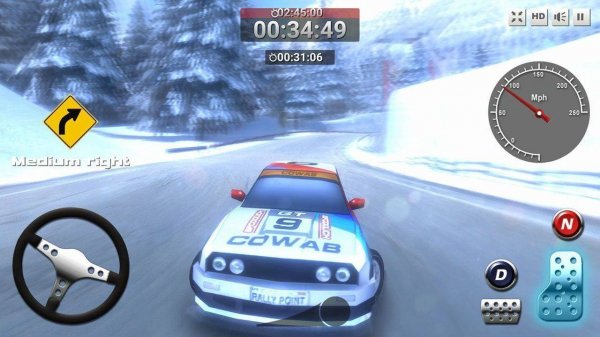
Trail Blazer 4x4 Rush runs on offroad circuits that mix rocky paths, muddy trails, forest sections with puddles, and loose gravel. Surface type changes how much grip your vehicle has, so the same steering input can behave differently from one stretch to the next. Some courses are built around sharp turns that demand precise steering, while others include long straightaways where a speed boost is safer to use. The environment shifts as you progress, from dusty mountain passes to tree-lined trails.
How the Heat Meter Changes Racing
The boost button is unlimited, but every press raises a heat meter. Let that meter fill completely and the engine fails, ending the run immediately. That single rule turns a simple arcade racer into a resource-management exercise: you are constantly deciding when to push for speed and when to ease off and let the temperature drop. Because the gauge is tied to your throttle discipline, faster times come from reading the track and planning boost use, not from holding the button down.
Vehicle Choice and Handling Trade-offs
Each vehicle in the roster has its own weight, tire grip, acceleration, top speed, and heat resistance. Lighter cars accelerate quickly but can slide on loose surfaces; heavier models hold traction better but give up speed. These differences matter because a car that suits a gravel-heavy circuit may struggle on a tighter, more technical route. Choosing the right body style for the track is part of the strategy.
Progression and Replay Value
Finishing a race under the time limit earns points that unlock new vehicles and additional tracks. Later stages combine more complex terrain with tighter time constraints. Replaying earlier courses is a practical way to practice heat management before the margins get thin. The progression loop rewards mastery of the boost system as much as raw speed.
Controls and Accessibility
Steering, acceleration, and braking use on-screen buttons or keyboard arrows, and the early tracks have generous time limits and fewer obstacles. That gentle curve lets new players learn the heat system without being punished. Experienced players can chase faster completion times for bonus rewards. The visual design keeps obstacles and track boundaries readable at high speed, and audio cues — engine pitch changes and a warning beep near critical heat — help players react without staring at the gauge.
Compatibility
FAQ
Comments
Sign in to leave a note
You must be logged in before posting a review or rating.
No comments yet. Be the first to comment!







Editorial Notes