

Two-Character Rescue Platformer
Opens in a play window — no download required.
Reviews
This game stands out by making teamwork a requirement, not an option. Every level is built around the idea that two heads are better than one. The puzzles are well-paced, starting simple and growing into satisfying challenges. The bright visuals keep the mood light, and the lack of time pressure allows for thoughtful play. It is a solid choice for anyone looking for a cooperative game that emphasizes communication over competition.
Description
Core Cooperative Mechanics
At the heart of this game is the requirement for two players to coordinate their actions. Each participant controls one character, and both must move through levels simultaneously. Obstacles and puzzles are designed so that one character alone cannot progress. For example, a high ledge may require one character to stand on a switch while the other jumps across. This design ensures that communication and timing are essential from the first stage to the last.
Level Structure and Progression
The game presents a series of stages that gradually increase in complexity. Early levels introduce basic movement and simple cooperative tasks, such as pressing two buttons at once. Later stages incorporate moving platforms, timed switches, and areas that require one character to wait while the other explores. The difficulty curve is gentle, allowing new players to learn without frustration while still offering challenges for those with more experience.
Visual Style and Accessibility
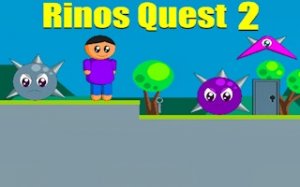
The graphics use bright, clear colors and simple character designs that are easy to distinguish on screen. This visual clarity helps players quickly identify their own character and the positions of obstacles. Controls are straightforward, with each player using a separate set of keys. The interface is minimal, keeping the focus on the action. This approach makes the game suitable for younger players or those new to platform games.
Teamwork and Problem-Solving Focus
Unlike many platformers that emphasize speed or precision, this game prioritizes cooperative problem-solving. Each level contains keys that must be collected, and their placement often requires one player to create a path for the other. Players must discuss their strategy and decide who will take on which role. This encourages verbal communication and shared decision-making, making it a strong choice for siblings or parent-child play.
Replay Value and Skill Development
Because success depends on coordination, replaying levels can help players improve their timing and communication. Some stages have multiple solutions, encouraging experimentation. The game also allows players to swap characters between attempts, offering a fresh perspective on each challenge. This design supports skill development in areas like planning, patience, and mutual support.





Comments
Sign in to leave a note
You must be logged in before posting a review or rating.
No account? Create one
No comments yet. Be the first to comment!