
Paper Paint Puzzle
Opens in a play window — no download required.
Reviews
Paper Paint Puzzle is a straightforward logic game for players who enjoy pattern matching without pressure. Its strength is the clear feedback loop: pick a roller, tap a tile, see if it matches. The difficulty curve is gentle, moving from simple shapes to busier designs. It suits short breaks and works on desktop or mobile. The main limitation is that the input does not describe additional modes, sound, or story, so the experience stays focused on the core puzzle.
Description
Matching the Target Design
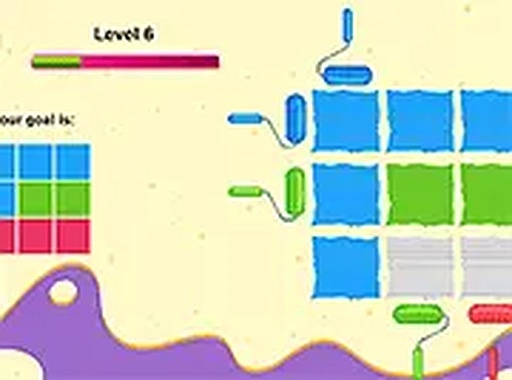
Every level in Paper Paint Puzzle presents two things: a blank grid of tiles and a finished target design. The goal is to reproduce that design exactly. You select a paint roller from the available options and click or tap a tile to color it. The game gives clear visual feedback, so you can tell at a glance which tiles already match and which still need work. Because there is no timer, you can study the target as long as you like before committing to a move.
How the Difficulty Grows
The first puzzles use simple shapes and a small number of tiles, which makes the matching process straightforward. As you progress, the designs become more intricate, and the canvas grows busier. This gradual increase asks more of your observation and planning: you need to track which roller belongs where and in what order to apply them. The challenge comes from the pattern itself, not from speed or reaction time.
Playing on Desktop or Mobile
Paper Paint Puzzle runs in a browser on both PC and mobile devices, so there is nothing to download. On a computer, you use the mouse to pick a roller and click tiles. On a touchscreen, you use your finger. A full-screen mode is available if you want a larger view of the canvas. The controls are simple enough that the game suits players of all ages, and a single level can be finished in a short break or commute.
A Calm Approach to Logic
Without time pressure or penalties, the game encourages a methodical pace. You can start from one corner and work across the canvas to keep track of your progress, or plan your color order before the first tap. If a pattern becomes confusing, stepping back and reassessing is part of the process. The reward is a completed picture that matches the target, which makes each level feel like a small, self-contained puzzle rather than a race.
Compatibility
FAQ
Comments
Sign in to leave a note
You must be logged in before posting a review or rating.
No comments yet. Be the first to comment!


Editorial Notes